Having used a program called OpenRPG as well as the offshoot called Traipse, I was contacted by Alicia Gruenther to help her develop a localized version of the program.
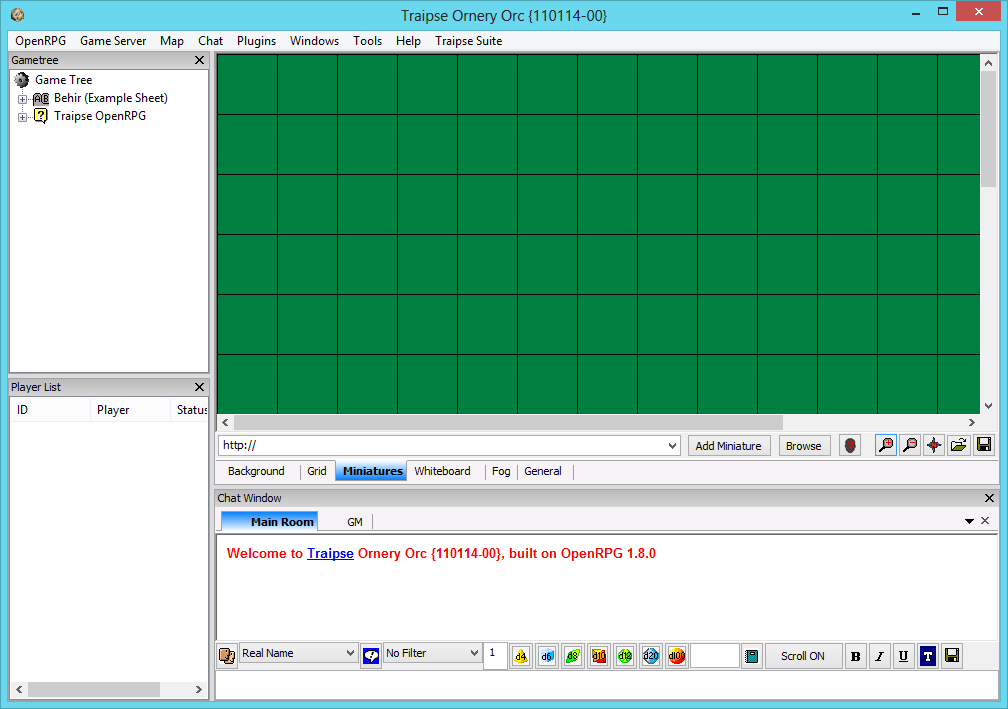
OpenRPG and Traipse are essentially the same program written in python that serve as client connections to a specialized form of chat program developed as a virtual table top for classic role-playing gamers.. The have limited file transfer capability (mostly for images and xml files), dice rollers (calls to the server to generate random numbers), and private messages between players or between a player and the gamemaster.
Fifth Wall Gaming‘s intention is to take this code and apply it to a LCD table to have a more interactive map for gamemasters and players for games hosted by game store retailers. This map would have accounts to store the gamemaster’s world information securely accessible from home via internet to upload world information to the table’s server. When the time for the game comes, the gamemaster accesses his account, pulling up the game world with maps, notes, and story lines.
My task was to lead the programming efforts, taking apart the code for Traipse, learning the python language, developing the server software,
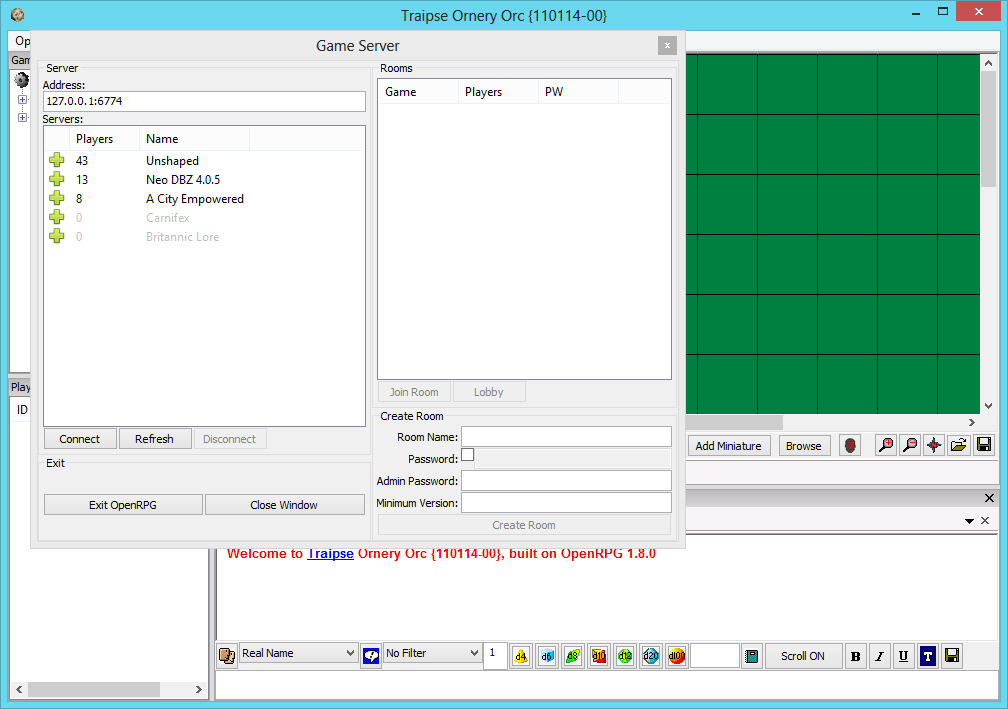
and working with the product design team in order for the final visuals to be properly placed around the table. I had to work with the equipment engineers, the company president and my own team to develop the software as well as utilizing the hardware. I had to work closely with the engineers to develop a program that would fill the entire screen as well as maintain a server and client operations of a dedicated system. I was involved heavily in decisions based on necessary table computer requirements (including, but not limited to, network cards, graphics cards, and keyboard port locations), as well as table size for player comfort and gui placement. And finally, prioritizing elements of code based on the hardware testing requirements were my responsibility.
O1: Analyze problems and design, build and test software systems in a team environment using industry-standard software engineering processes encompassing all phases of the software lifecycle to solve them.